Older homes often have the kind of character newer properties struggle to match, but age usually brings layers of wear that affect comfort, safety, storage, and curb appeal all at once. A successful refresh is rarely about chasing one dramatic upgrade. It is usually the result of addressing the right weak points in the right order so the house becomes easier to live in, easier to maintain, and more rewarding to invest in.
The smartest revamps focus on fixes that improve daily function while also supporting the larger renovation plan. Cleanup, storage, pavement, drainage, heating and cooling, window clarity, garage access, wiring, and railing updates all shape how an older home looks and performs. When those areas are handled thoughtfully, the property starts to feel less like a list of unfinished problems and more like a home that is steadily moving in the right direction.
Clear The House Before You Upgrade It
One of the most practical first steps is getting unwanted material out of the way before repairs begin. Old carpet, broken shelving, damaged drywall, worn cabinets, and years of miscellaneous clutter can block access to the work that actually matters. That is why many homeowners start with roll off dumpster rental services, which make it easier to clear bulky debris quickly and keep the site from turning into a maze of temporary piles. A cleaner project area usually leads to better decisions because you can finally see the real condition of the house.
Clearing space also reveals patterns that are easy to miss when rooms are crowded. Water staining, uneven flooring, cracked trim, and dated finishes stand out more clearly when the visual noise is gone. In an older home, that clarity matters because cosmetic issues often sit on top of more important problems that need to be addressed before the pretty work begins. A proper cleanup phase is not glamorous, but it creates the foundation for nearly every other improvement that follows.
Storage deserves the same level of planning as demolition, especially if you are living in the house while work is underway. Keeping furniture, tools, and sentimental items in storage containers can protect them from dust, moisture, accidental damage, and constant shifting from room to room. That simple move also gives trades more room to work efficiently, which helps projects stay organized instead of bogging down in daily reshuffling. Protected belongings make the entire renovation feel more controlled.
Older homes also benefit from a slower evaluation period before every room gets opened up at once. Once clutter is gone and key items are protected, it becomes easier to sort fixes into immediate, mid-term, and optional categories. That pacing can keep owners from overspending early on cosmetic ideas while more important structural, electrical, or climate-control needs are still unresolved. A good revamp plan is not only about what to improve, but also about what to improve first.
Repair Exterior Surfaces And Entry Points Early
Driveways, front walks, and side paths often set the tone for the whole property before anyone reaches the front door. Cracks, low spots, loose edges, and pooling water make an older home look neglected even if the interior has already been updated. Working with local asphalt contractors can help restore those surfaces in a way that improves appearance, drainage, and day-to-day safety without turning the entire yard into a major reconstruction project. A stable approach to the home changes how the whole property is perceived.
Entry areas also need practical drainage and grading attention, not just a smoother finish. Water that lingers near doors, garage slabs, or walkway joints tends to create staining, slipping risks, and accelerated wear over time. Older homes are especially vulnerable because many of them were built before current drainage expectations became standard. When entry zones shed water properly, the house becomes easier to protect in every season and easier to keep clean during bad weather.
Comfort upgrades should begin with a whole-house review rather than a quick replacement decision based on age alone. Older ductwork, uneven airflow, poor insulation around mechanical areas, and outdated controls can all limit performance long before the equipment fully fails. Experienced HVAC contractors can help identify whether the problem is the system itself, the distribution setup, or the way the home retains conditioned air. That broader view usually produces a better long-term result than replacing equipment without understanding why the house feels uncomfortable.
Not every older home needs a full system overhaul right away, but active cooling problems should not be pushed aside during a larger renovation. Rooms that never cool properly, weak airflow, noisy starts, and repeated temperature swings often justify prompt AC repair services before summer strain makes the issue worse. Solving those problems early can also protect other project decisions, because flooring, paint timing, and overall habitability are harder to manage in a house that never stays comfortable. Reliable cooling keeps the renovation livable.
Restore Light, Visibility, And Daily Access
Windows influence far more than the view. Clean glass, functional tracks, intact screens, and well-maintained frames all help an older home feel brighter, healthier, and more cared for. Bringing in a window cleaning company after exterior prep or messy repairs can make a surprising difference because years of film, grime, and hard-water residue often dull the natural light more than owners realize. Clearer windows make fresh paint, refinished floors, and updated trim look better immediately.
A brighter house also feels more open, which is especially important in older floor plans with smaller rooms and narrower hallways. Natural light can soften the heaviness of dated finishes and make transitional spaces feel less closed in. While window work may seem secondary compared with major mechanical or structural tasks, it has a strong effect on how complete the home feels at every stage of the refresh. Sometimes the house does not need more square footage to feel better. It needs more clarity.
Garages are often overlooked until the door becomes noisy, unreliable, or visibly worn. In an older home, garage door replacement can improve security, curb appeal, insulation, and ease of use all at once, especially when the original door no longer seals well or complements the look of the updated exterior. A fresh door can also make the entire front elevation look more intentional, which is valuable when the rest of the home is getting gradual improvements rather than one full exterior redesign. It is a high-visibility fix with practical benefits.
Some properties need more than a new door panel. Track alignment, opener performance, clearance, and fit can all become problems in detached garages, rear entries, or older structures that have shifted slightly over time. Thoughtful local garage door installations can solve those functional issues while also improving how easily the space supports storage, parking, hobbies, or workshop use. When the garage works smoothly, it becomes an asset again instead of an area owners avoid dealing with.
Modernize Safety Features Without Losing Character
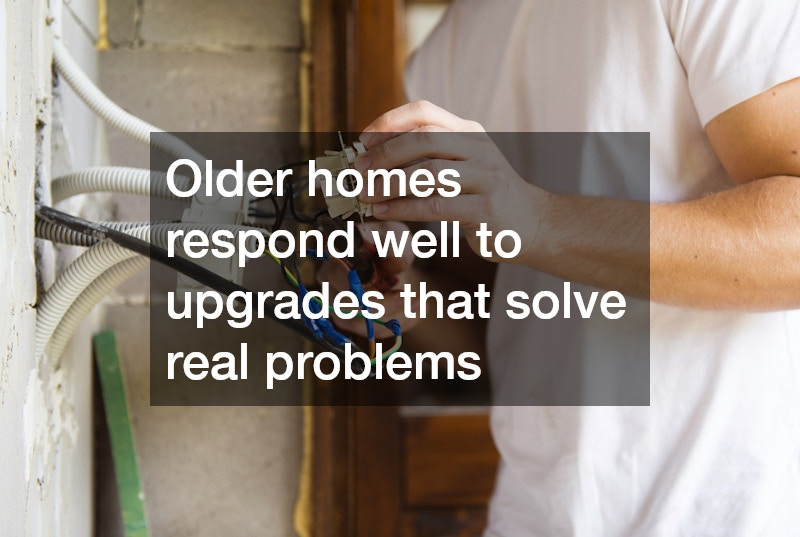
Electrical updates are one of the most important investments in an older home because many original systems were not designed for modern appliance loads, added lighting, or home office demands. A well-planned electrician service can address outdated outlets, insufficient circuits, problematic fixtures, and aging panels before those issues become daily frustrations or safety concerns. This kind of work is not always the most visible part of a revamp, but it supports nearly everything else you hope to enjoy in the finished home. Reliability matters more than surface polish.
Owners also need to think about how new demands interact with old layouts. Added kitchen equipment, bathroom upgrades, garage tools, outdoor lighting, and entertainment systems all place pressure on wiring plans that may have made sense decades ago. In many cases, targeted electrical work is the difference between a house that merely looks updated and one that genuinely functions like a modern home. Thoughtful capacity planning helps the improvements age well instead of creating new limits a year later.
Safety upgrades can also be a design opportunity. Replacing bulky or dated railing systems with glass railings can open sightlines, increase light flow, and give an older staircase, balcony, or porch a much cleaner appearance without stripping the house of its personality. That balance matters in renovation work, because the goal is usually to make the home feel refreshed, not to erase every trace of age and character. Done well, an update like this feels crisp and current while still respecting the house around it.
The messy stage of renovation should not drag on longer than necessary, especially once visible upgrades are underway. Scheduling roll off dumpster rental services at the right points in the project can keep demolition waste, packaging, and removed materials from slowing down the finish phase. That becomes especially useful when flooring, trim, or exterior work starts generating new debris after the initial cleanup is already complete. Good cleanup timing keeps momentum from slipping late in the revamp.
Sequence The Work So The House Improves Faster
Phased renovations often work better in older homes than all-at-once plans, especially when the budget has to cover both obvious repairs and the hidden issues that appear once work begins. Using storage containers during a phased project can make that strategy much easier by keeping finished rooms protected while other areas remain active. It also reduces the temptation to stack materials in hallways, spare bedrooms, or the garage, where clutter can interfere with progress and make the home feel chaotic for longer than necessary.
Exterior paving should usually be timed after the heaviest equipment movement and major utility work are complete. That sequence helps prevent fresh surfaces from being marked up by repeated deliveries, dumpsters, or ongoing site traffic. Coordinating with local asphalt contractors later in the schedule often produces a cleaner final result because the surface is being finished for the version of the property that will actually remain, not for a house that is still mid-disruption. Sequence affects quality more than many owners expect.
Comfort planning also improves when it is tied to efficiency goals instead of emergency decisions. After insulation gaps, draft points, and room usage patterns are clearer, HVAC contractors can help owners decide whether the home would benefit more from equipment changes, airflow corrections, zoning adjustments, or thermostat upgrades. That approach is especially useful in older homes where one uncomfortable room can influence the perception of the whole house. A revamp feels more complete when comfort is consistent instead of random.
Timing matters with cooling repairs as well. Even when a renovation is focused on appearance, unresolved performance issues tend to dominate daily life once warm weather arrives. Handling AC repair services before the seasonal rush can reduce stress, shorten wait times, and help owners evaluate the house under more predictable conditions. It is much easier to judge whether the renovation is working when the home is comfortable enough to enjoy and inspect without distraction.
Finish With The Details That Make The Update Feel Complete
The final impression of a renovated older home often depends on details that are easy to delay because they seem less urgent than major repairs. A post-project visit from a window cleaning company can sharpen the entire result by removing construction dust, handprints, residue, and exterior buildup that dull the payoff of fresh finishes. This is one of the simplest ways to make the house look truly complete rather than merely improved. Clean glass helps every other upgrade read more clearly from both inside and outside.
Late-stage budgeting should also leave room for visible items that strengthen security and resale appeal. Even if a garage door is still operating, garage door replacement may still be worthwhile when the old unit looks tired, seals poorly, or undercuts the quality of nearby improvements. In many older homes, the garage occupies too much visual space to be treated as an afterthought. Matching that feature to the refreshed exterior can make the entire property feel more resolved.
Interior openness often comes from a few strategic design decisions rather than a full structural rework. Glass railings are a good example because they can help stairways, loft edges, and decks feel cleaner and lighter without demanding major changes to the surrounding layout. That visual effect matters in older homes where compartmentalized rooms and heavier materials can make the space feel smaller than it actually is. A targeted update can shift that feeling in a noticeable way.
Garage work also benefits from careful contractor selection near the end of the process. Local garage door installations should account for the final driveway height, framing condition, opener needs, and how the garage will actually be used after the renovation is done. That is particularly important when the space supports storage, workshop functions, or frequent entry into the home. The best fit is not always the fastest installation. It is the one that matches the completed property.
Before the revamp is considered finished, it is worth confirming that the home’s systems are ready for the way the house will now be used. A follow-up electrician service can verify that new lighting, appliances, exterior additions, and garage features are working together without overloading old assumptions in the original electrical layout. That kind of final check helps the project land on a more dependable footing. A successful renovation should leave the home feeling calmer, safer, and easier to live with every day.
Older homes respond well to upgrades that solve real problems instead of chasing trends one room at a time. When cleanup, storage, access, comfort, visibility, electrical reliability, and safety features are improved in a logical sequence, the house begins to feel both renewed and more useful. That is what makes a revamp worthwhile. It does not just make the property look different. It makes the home work better for the people living in it.