Starting with a completely open yard can feel both exciting and intimidating. When there is nothing but grass, dirt, or an empty plot behind your home, the possibilities are endless, but so are the decisions. Smart planning is what turns that blank canvas into a cohesive outdoor environment that fits your lifestyle, adds value to your home, and remains functional for years. The goal is not just to add features but to shape how you will live, relax, and entertain outside. When you take the time to map out priorities, budgets, and long-term needs, you create a backyard that feels intentional rather than patched together over time.
One of the biggest mistakes homeowners make is rushing into individual projects without thinking about how they connect. A patio added before drainage is addressed or a fence installed before landscaping is designed can create expensive rework later. Planning allows you to see the entire picture, from how people will move through the space to where utilities and structures should be placed. It also helps you anticipate maintenance, safety, and future upgrades so the space grows with you instead of working against you.
Whether you want a place for family gatherings, a quiet retreat, or an outdoor area that supports hobbies and entertaining, every successful outdoor space begins with clarity. By identifying how you want to use the space now and in the future, you lay the foundation to create a backyard that supports daily living as well as special moments. Smart planning is not about limiting creativity; it is about giving that creativity a framework that turns ideas into something you can enjoy every day.
Evaluating the Land and Its Natural Potential
Before adding any structures or features, the most important step is understanding what you already have. Soil quality, drainage, sunlight patterns, and existing vegetation all influence what will thrive in your yard. Taking time to evaluate these factors helps you create a backyard that works with nature instead of constantly fighting against it. For example, a low-lying area that collects water might be ideal for a rain garden but problematic for a patio or play space.
Topography plays a big role in long-term success. A yard with slopes can offer visual interest and opportunities for terracing, but it also requires careful grading to prevent erosion or water runoff toward your home. Understanding how water flows during heavy rain protects foundations, gardens, and walkways. This kind of assessment may not be glamorous, but it is the backbone of a functional outdoor design.
Another often overlooked factor is how materials will be handled during construction. Clearing debris, removing old fencing, or hauling away rocks and roots creates a surprising amount of waste. Many homeowners rely on roll off dumpster rentals during the early phases of development to keep the property safe and organized while work is underway. Planning for waste removal early prevents delays and helps keep the site usable as projects progress.
When you thoroughly evaluate the land, you gain a realistic picture of what is possible. That clarity allows you to prioritize projects and avoid costly surprises. It also helps you create a backyard that feels balanced, stable, and well integrated with the surrounding environment rather than forced into it.
Designing Functional Zones for Everyday Use
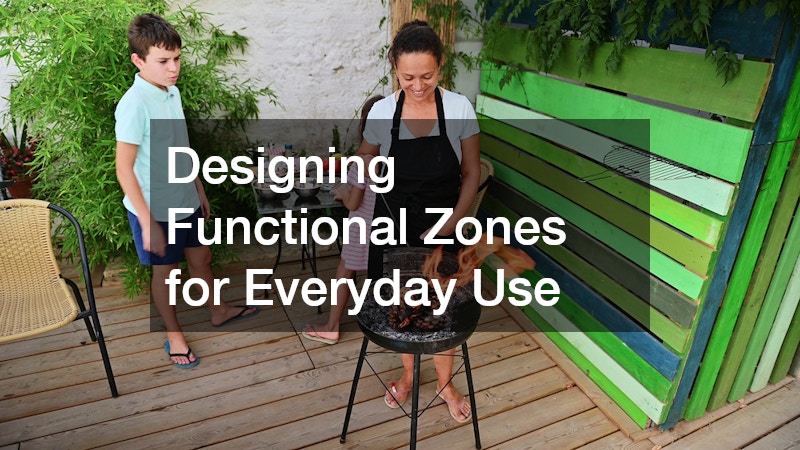
Once you understand the physical layout of your yard, the next step is defining how each area will be used. Dividing the space into zones makes it easier to visualize and plan. You might have a dining area, a play zone, a garden space, and a quiet corner for reading or relaxing. Each of these areas has different needs for shade, privacy, and durability, which is why zoning is so important.
This approach helps you create a backyard that feels organized rather than cluttered. Instead of scattering features randomly, you intentionally place them where they make sense. For example, outdoor dining works best near the kitchen entrance, while a fire pit might be placed farther from the house to avoid smoke issues. Paths and walkways then connect these spaces, guiding movement in a natural way.
As you design these zones, think about sightlines and how the space will look from inside your home. Strategic placement of plants, seating, and structures can frame views and create visual interest. It also allows you to hide less attractive elements, such as storage areas or utility equipment. During this phase, many homeowners also need to remove leftover materials or debris from previous uses of the land. In some cases, items are taken to a scrap yard to be recycled or disposed of responsibly. Including this kind of cleanup in your plan keeps the project moving smoothly and prevents clutter from interfering with construction or landscaping.
By clearly defining how each part of the yard will be used, you make it easier to move from concept to reality. The result is an outdoor space that feels intuitive, welcoming, and ready for daily life.
Creating Privacy and Defining Boundaries
A backyard feels most comfortable when it offers a sense of privacy and enclosure. Even in urban or suburban neighborhoods, simple design choices can make your outdoor space feel like a retreat rather than a display. Boundaries do not have to be harsh or restrictive; they can be created through a mix of structures, plantings, and visual barriers that work together to shape the environment.
One of the most effective ways to establish privacy is through professional fencing services. A well-designed fence does more than mark property lines. It sets the tone for the entire yard, whether you prefer something modern and sleek or warm and traditional. Fencing also provides safety for pets and children, allowing everyone to enjoy the space with peace of mind.
In addition to fencing, hedges, trees, and tall ornamental grasses can soften boundaries and add a natural feel. These living elements change with the seasons, adding texture and color while still providing screening. Combining hard and soft boundaries creates depth and interest that makes the yard feel larger and more dynamic. When you carefully plan how to create a backyard that feels enclosed without being closed off, you get the best of both worlds. You enjoy privacy and comfort while still allowing light, air, and views to flow through the space. This balance is what turns an ordinary yard into a personal sanctuary.

Adding Leisure and Recreation Features
For many homeowners, the backyard is not just about looking nice; it is about enjoying life. Leisure features such as pools, outdoor kitchens, and play areas transform a yard into a place where memories are made. When these features are planned from the beginning, they integrate seamlessly with the rest of the design instead of feeling tacked on later.
Working with experienced swimming pool contractors allows you to design a pool that fits both your space and your lifestyle. Placement, size, and shape all affect how the pool interacts with the rest of the yard. A pool that is too large can overwhelm the space, while one that is thoughtfully scaled becomes a centerpiece that enhances everything around it.
Beyond pools, consider how you want to spend time outdoors. Do you imagine hosting barbecues, relaxing with a book, or watching kids play? Each activity benefits from different surfaces, seating, and shade options. By thinking through these needs, you create a backyard that supports daily enjoyment rather than just occasional use.
Recreation features also influence circulation. Paths, decks, and patios should connect these elements smoothly so people can move without cutting through planted areas or awkward spaces. With careful planning, every part of the yard works together to support relaxation, fun, and connection.
Establishing Durable Surfaces and Pathways
The way people move through a yard affects both its appearance and its usability. Paths, patios, and drive areas guide foot traffic, protect landscaping, and provide stable surfaces for furniture and activities. When these elements are thoughtfully designed, they help create a backyard that feels polished and easy to use.
A professional hardscaping company can help design walkways, retaining walls, and patios that complement the overall style of your home. These features do more than look attractive; they solve practical problems such as erosion, uneven ground, and drainage. Properly installed hardscaping also reduces maintenance by keeping soil and mulch where they belong. In some yards, especially those with long driveways or parking areas, asphalt services may be part of the plan. Smooth, well-graded asphalt improves access and safety while also enhancing curb appeal. Integrating these surfaces into the overall design ensures they do not feel out of place or overly industrial.
Durable surfaces provide structure to the landscape. They frame planting beds, connect activity areas, and create visual lines that make the space feel intentional. When you invest in quality materials and proper installation, you create a backyard that remains attractive and functional through all seasons.

Managing Plant Health and Growth
Plants bring life and color to any yard, but they also require thoughtful management. Without a plan, gardens can quickly become overgrown or unhealthy, detracting from the overall design. Smart planting and maintenance strategies help you create a backyard that stays beautiful with reasonable effort.
One of the most important aspects of plant care is weed control. Weeds compete with desired plants for water and nutrients, making it harder for gardens to thrive. By addressing this early through proper soil preparation, mulching, and maintenance, you reduce long-term labor and keep plantings looking their best. Choosing the right plants for your climate and soil conditions is equally important. Native and well-adapted species require less water and care, making them ideal for sustainable landscapes. Grouping plants with similar needs also simplifies irrigation and maintenance, allowing you to focus on enjoying the space rather than constantly working on it.
Healthy plantings soften hard edges, add privacy, and provide seasonal interest. When they are planned and maintained correctly, they become a defining feature of the yard. This attention to living elements is what allows you to create a backyard that feels vibrant and welcoming year after year.
Updating Structures and Visual Details
Even the most beautifully landscaped yard can feel incomplete if the surrounding structures look worn or out of place. Sheds, fences, pergolas, and even the exterior of your home play a role in how the space is perceived. Updating these elements ensures everything feels cohesive and well cared for.
An exterior electrostatic painting service is an efficient way to refresh metal or hard-to-paint surfaces, such as railings, fences, and outdoor furniture. This process creates a smooth, durable finish that resists weather and wear, extending the life of these features while improving their appearance.
It is also wise to consider the condition of your home’s roof when planning outdoor upgrades. Coordinating with roof repair companies ensures that leaks or damage do not undermine your investment in landscaping and outdoor structures. A well-maintained roof protects the entire property, including the yard and everything in it. When structures and surfaces are updated together, the yard feels unified rather than piecemeal. This holistic approach helps create a backyard that looks as good as it functions, making the entire property feel more complete.

Personalizing the Space With Unique Touches
What truly sets a backyard apart is the personal touches that reflect the people who use it. Decorative features, custom signage, and unique accents turn a functional yard into a space that feels like home. These details do not have to be expensive; they simply need to be meaningful.
Using custom engraving services for plaques, stepping stones, or garden markers adds a personal element that cannot be found in mass-produced decor. Names, dates, or inspirational phrases make the space feel special and connected to your family’s story.
These small additions also create focal points that draw the eye and invite exploration. A simple engraved sign at the entrance to a garden or a personalized bench near a favorite tree can become a cherished part of the landscape. Over time, these details accumulate, giving the yard character and warmth.
By layering personalization into the design, you ensure the space grows with you. It becomes not just an outdoor area but a reflection of your life and experiences. This final layer of detail is what truly allows you to create a backyard that feels uniquely yours. Through careful planning, thoughtful design, and attention to both structure and detail, a blank yard can become an extension of your home and lifestyle. Each step builds on the last, creating a space that is beautiful, functional, and ready for whatever the future holds.