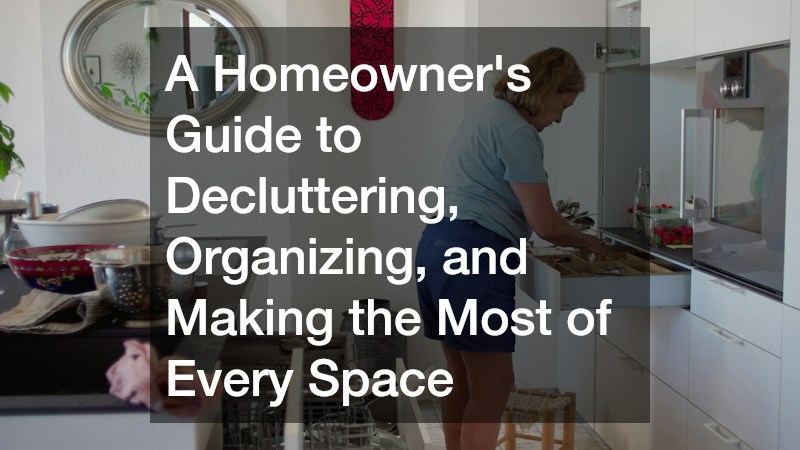
An organized home should make everyday life easier, not create another standard that feels impossible to maintain. When belongings have sensible places, routines take less effort, surfaces stay useful, and everyone can find what they need. Yet even a carefully arranged home can become crowded as families grow, hobbies change, and new possessions arrive. Meaningful progress starts with understanding how each space is used, deciding what deserves to stay, and choosing storage that suits the people living there.
A practical approach also accounts for bigger transitions. Cleaning, renovations, moves, and seasonal changes can temporarily disrupt familiar routines. With a thoughtful plan, these projects become opportunities to improve how a household functions rather than reasons to let clutter spread. The following strategies can help homeowners reclaim valuable space, make necessary updates, and develop habits that keep their rooms comfortable long after the initial organizing work is finished.
Evaluate How Every Room Supports Daily Life
Before rearranging furniture or purchasing organizers, walk through the home with a notebook. Notice where items collect, which cupboards are difficult to reach, and what tasks regularly feel inconvenient. A hallway piled with shoes may need a bench and accessible cubbies. A crowded dining table might indicate that paperwork has no designated destination. These observations reveal the reasons clutter appears instead of treating scattered belongings as isolated problems.
Consider each room’s primary purpose, along with secondary activities that genuinely happen there. A guest bedroom might also serve as a home office, but those functions need separate zones. A laundry area may require space for sorting clothes, storing supplies, and folding clean loads. When a room supports several activities, its storage should reflect all of them without interfering with movement.
Measure before making changes. Record closet depths, shelf heights, door clearances, and available floor space. Furniture that fits on paper can still block drawers or make walkways uncomfortable. These observations can also help determine a realistic budget. This initial assessment helps distinguish problems that can be solved by moving existing items from those requiring new shelving, furniture, or professional improvements.
Finally, choose priorities based on daily frustration rather than appearance alone. Fixing an overcrowded entryway may improve mornings more than styling a seldom-used shelf. Small, targeted changes often produce immediate benefits and build momentum for larger projects.

Remove Clutter With a Manageable Sorting System
Decluttering is easier when decisions are broken into small, specific tasks. Instead of emptying an entire basement, begin with one drawer, cabinet, or clearly defined section of shelving. Set out containers for items to keep, donate, recycle, relocate, or discard. Finish each area before moving on so piles do not migrate from room to room.
Ask whether an object serves a current purpose, has meaningful sentimental value, or would be genuinely difficult to replace. Duplicate tools, expired products, unused decorations, and broken appliances often occupy space without improving daily life. Sentimental belongings deserve a slower process.
Some projects generate more waste than ordinary trash collection can accommodate. Arranging junk pick up may help remove bulky furniture, damaged equipment, and other accepted materials without leaving them in the garage for months. Confirm what the provider can transport, how fees are calculated, and whether recycling or donation options are available. Hazardous materials and electronics may require separate disposal arrangements.
Make decluttering sustainable by establishing an exit plan for unwanted items. Donations should have a delivery date, listed goods should have a reasonable selling deadline, and trash should leave promptly. Otherwise, sorting merely creates new holding areas. Once the excess is gone, resist filling every open inch. A little unused capacity makes it easier to put things away and accommodate future needs.
Build Cleaning Habits That Protect Your Progress
Organization and cleanliness support each other, but they solve different problems. An orderly pantry may still need wiped shelves, while a sparkling living room can remain difficult to use if possessions crowd the furniture. Combining manageable cleaning routines with sensible storage keeps both issues under control.
Assign basic chores according to how often spaces are used. Kitchen counters and sinks may need daily attention, while bathrooms, floors, and frequently touched surfaces benefit from regular scheduled cleaning. Less urgent tasks, such as washing baseboards or clearing high shelves, can rotate throughout the year.
For households with demanding schedules or large properties, house cleaning services can supplement routine upkeep. A provider might focus on kitchens, bathrooms, floors, or periodic deep cleaning while residents handle everyday tidying. Clarify which tasks are included, whether special products are required, and how access to the property will work. Professional cleaning is most effective when clutter is addressed beforehand, allowing cleaners to reach the surfaces that need attention.
Involve other household members with simple expectations. A nightly ten-minute reset could include returning shoes, clearing counters, and placing paperwork in a designated tray. Children can learn age-appropriate responsibilities using labeled bins and low hooks. Consistency matters more than perfection. A home that can be restored quickly after a busy day is more useful than one that looks immaculate only immediately after an intensive cleaning session.

Create Practical Storage for Everyday Belongings
Effective storage places frequently used items close to the activities they support. Keep cooking utensils near preparation areas, cleaning products where they can be secured appropriately, and outerwear near the door. Reserve higher shelves and less accessible closets for belongings used only occasionally. This arrangement limits unnecessary movement and reduces the temptation to leave items on the nearest surface.
Use vertical space thoughtfully. Adjustable shelving, wall hooks, drawer dividers, and stackable containers can increase usable capacity without crowding a room. Clear containers make contents visible, while opaque baskets can create a calmer appearance in open living areas.
Paper deserves its own strategy. Mail, warranties, instruction manuals, and important records can quickly spread across desks and counters. Establish an incoming tray, a regular review schedule, and a secure location for documents that must be retained. A thoughtful document storage system might combine labeled folders with appropriately protected digital copies. Sensitive records should be stored securely, with attention to privacy, moisture, and fire risks.
Be selective about what stays inside the house. Sports equipment, seasonal decorations, and rarely used furnishings may be better stored in a dedicated utility area if conditions are suitable. The goal is not to hide everything behind doors; it is to create a predictable home for each useful category. Leave enough breathing room that retrieving one item does not require dismantling an entire shelf.
Improve Kitchen Layouts for Easier Organization
Kitchens work hardest when storage matches the way people prepare food, cook meals, clean dishes, and gather together. Begin by grouping similar supplies and removing utensils or appliances that no longer earn their space. Position everyday dishes near the dishwasher, cooking tools close to the stove, and food preparation items near suitable counter space. Keep frequently used ingredients visible and accessible without sacrificing food safety.
Existing kitchen cabinets can often perform better with modest adjustments. Pullout organizers improve access to deep lower compartments, dividers separate baking sheets, and risers make stacked dishes easier to retrieve.
Some kitchens need more than accessories. Homeowners considering local kitchen remodeling can explore layout changes, additional cabinetry, improved lighting, and work surfaces suited to their routines. Before requesting estimates, list specific problems such as inadequate pantry capacity, limited preparation space, or inaccessible shelves. A clear priorities list makes it easier to evaluate designs and avoid paying for changes that look appealing but do little to improve function.
Remember that accessibility needs can evolve. Drawers may be easier to use than deep cabinets, and clear pathways help everyone move comfortably. Avoid storing heavy cookware above shoulder height. Whether the project involves simple cabinet inserts or a larger renovation, prioritize easy maintenance, safe movement, and storage that supports real habits rather than an idealized version of daily life.

Plan Extra Storage During Major Projects
A household occasionally needs more space than its rooms can reasonably provide. Flooring work, painting, downsizing, and extended renovations may require furniture and boxes to be moved temporarily. Even a well-organized garage cannot always accommodate everything safely. Short-term storage can create working room while protecting belongings from accidental damage.
Portable pod containers may be useful when possessions need to be packed gradually or kept nearby during a transition. Before arranging delivery, confirm the available placement area, local restrictions, access requirements, and whether the container can remain on the property. Ask how weather protection, security, transportation, and rental periods are handled. Containers should be loaded evenly, with fragile items protected and essential belongings left accessible.
Alternatively, local storage facilities can provide a separate place for seasonal items, spare furniture, and boxed possessions. Compare unit dimensions, access hours, climate conditions, insurance requirements, and total rental costs. Moisture-sensitive belongings may require more carefully controlled conditions.
For substantial inventories, warehouse storage may offer another option, particularly when bulky furnishings or business-related materials exceed ordinary household capacity. Confirm that the service accepts the specific property involved and understand how retrieval works. Whichever approach you choose, maintain a detailed inventory and label every box clearly. Storage should support a defined project or purpose, not become an expensive way to postpone decisions about things no longer needed.
Organize Packing and Moving Around Clear Priorities
Moving creates a natural opportunity to reassess possessions, but it also introduces deadlines and logistical pressure. Start sorting well before moving day, focusing first on stored belongings that are easy to overlook. Donate or dispose of unnecessary items before paying to transport them. Then create a room-by-room packing plan and reserve clearly marked essentials for the first days in the new home.
Gather sturdy boxes, packing tape, protective materials, labels, and markers in one place. Searching for local moving and packing supplies can help homeowners find appropriate materials without purchasing excessive quantities. Choose smaller boxes for books and other heavy objects, and distribute weight carefully. Label packages with both their contents and destination rooms.
A residential moving service may reduce the physical demands of transporting furniture and packed boxes. When comparing providers, ask about written estimates, scheduling, handling of fragile items, insurance or liability options, and any additional charges. Clarify which tasks are included and what must be packed in advance. If the move involves stairs, narrow entrances, or unusually large furniture, disclose those details early.
Prepare the destination before unloading. Measure doorways, identify furniture placement, and decide where boxes should be staged. Unpack essential rooms first, then establish storage locations before emptying every carton. Resist copying an inefficient arrangement simply because it existed in the previous house. A new address offers the chance to create more effective routines from the beginning.

Maintain Flexible Systems as Household Needs Change
An organizational system succeeds when people can use it without extensive instructions. After a major cleanout or renovation, observe what happens during normal weeks. Are shoes still accumulating beside the door? Does paperwork return to the dining table? Those patterns indicate that a location may be inconvenient or a category needs more room. Adjust the system instead of repeatedly blaming household members for not following it.
Schedule occasional reviews around natural transitions, such as changing seasons, school terms, or the arrival of new family members. Rotate clothing and sports gear, reassess children’s storage, and check whether rarely used supplies still deserve their space. Brief, regular attention usually prevents the need for disruptive overhauls.
Budget for maintenance as well as improvements. Replacement bins, shelving repairs, cleaning supplies, and occasional professional assistance all have costs. Prioritize purchases that solve demonstrated problems, and reuse containers where possible. A thoughtfully placed hook can accomplish more than an elaborate organizer that nobody uses. Likewise, leave space for personal objects and activities that make a house feel welcoming.
Above all, treat organization as a flexible household practice rather than a finished display. Functional spaces evolve with changing schedules, interests, and abilities. When storage is easy to access, possessions are edited regularly, and daily responsibilities are shared, order becomes much easier to maintain. The reward is not simply a tidier home, but more time, comfort, and freedom to enjoy the rooms you already have.