
Large-scale home organization projects often begin with good intentions, only to become overwhelming once homeowners realize how many belongings require attention. Years of accumulated furniture, paperwork, clothing, seasonal decorations, and household equipment can make even the simplest organizational goals seem difficult to achieve. When multiple rooms, garages, basements, or storage areas need attention, completing everything independently may require more time and physical effort than anticipated.
Professional assistance can make these projects more manageable by dividing responsibilities among specialists who handle different aspects of the process. Some professionals help homeowners establish organizational systems, while others transport belongings, remove unwanted items, or provide secure storage. Coordinating these services can reduce unnecessary work and help households maintain momentum throughout the project.
Developing a Realistic Organization Plan
Before purchasing storage products or rearranging furniture, homeowners should establish clear objectives for their organizational project. A household preparing for a renovation may have different priorities than a family combining two residences or an individual downsizing after retirement. Defining the purpose of the project helps determine which spaces require attention and what resources will be necessary.
Working with professional organizing services can provide structure during this initial planning stage. Organizers can assess existing storage arrangements, identify inefficient layouts, and recommend practical methods for sorting possessions. Their outside perspective may also reveal opportunities to use available space more effectively without immediately investing in expensive improvements.
Creating an inventory is another useful step. Homeowners can document major furniture pieces, valuable possessions, and items that occupy considerable space. Photographs and written descriptions can help family members make informed decisions about belongings without repeatedly moving everything between rooms. An inventory also makes it easier to communicate requirements to other professionals who may become involved later.
Scheduling the project in manageable phases can prevent disruption to everyday routines. For example, homeowners might complete a guest bedroom before addressing the garage or basement. Establishing temporary sorting areas allows family members to continue using essential living spaces while decisions are being made. Assigning specific responsibilities to household members can also prevent confusion and ensure everyone understands the intended outcome.
A realistic budget should account for supplies, labor, transportation, disposal, and temporary storage. Obtaining estimates before work begins allows homeowners to compare their options and prioritize services that address their most significant challenges.
Removing Unwanted Items Efficiently
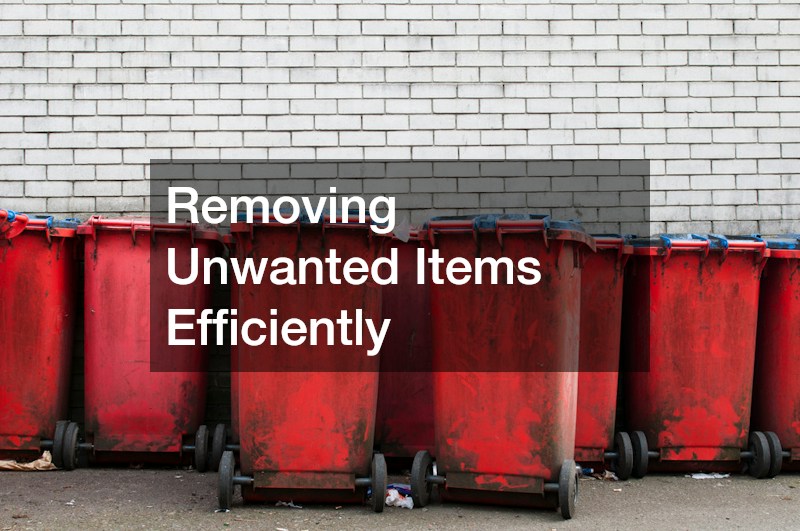
Decluttering becomes particularly challenging when households have accumulated large quantities of unwanted possessions. Broken appliances, outdated furniture, damaged shelving, and miscellaneous household materials can occupy valuable space that would otherwise support better organization. Removing these items early can create room for sorting and evaluating the belongings that remain.
Hiring junk removal companies can be helpful when unwanted possessions are too heavy, bulky, or numerous for ordinary household disposal. These professionals may handle lifting, loading, and transportation, reducing the physical demands placed on homeowners. Before scheduling an appointment, households should confirm which materials the provider accepts and whether additional charges apply to particular items.
For projects that generate waste gradually, local dumpster rentals can offer another practical solution. A temporary dumpster allows households to dispose of eligible materials as they work through different rooms. This arrangement can be especially useful when clearing an entire property, removing damaged storage fixtures, or preparing multiple spaces for renovation.
Homeowners should consider the size of the container, available placement areas, rental duration, and permitted materials. Driveway protection and neighborhood restrictions may also influence placement decisions. Paint, batteries, chemicals, and certain electronic devices may require separate disposal arrangements rather than being placed alongside general household waste.
Not every unwanted item needs to be discarded. Usable furniture, clothing, tools, and kitchen supplies may benefit charitable organizations or other households. Creating separate areas for donations, resale, recycling, and disposal helps prevent useful possessions from being accidentally thrown away. Completing these decisions before removal appointments can make the process more efficient and reduce the volume of waste leaving the property.
Protecting Personal Information During Decluttering
Paperwork often presents a unique challenge because documents can accumulate for decades without occupying enough visible space to attract immediate attention. Filing cabinets, desk drawers, and boxes may contain outdated financial statements, medical records, insurance information, receipts, and correspondence. Sorting these materials requires greater care than organizing ordinary household possessions.
Homeowners should begin by separating documents that need to be retained from those that are no longer necessary. Important legal agreements, property records, identification documents, and relevant tax information may require long-term storage. Retention needs vary depending on the type of record and individual circumstances, so uncertain documents should be reviewed before disposal.
A document shredding company can assist when households need to destroy large quantities of confidential paperwork. Professional shredding can be particularly beneficial during estate cleanouts, home office reorganizations, and downsizing projects. Homeowners can ask how materials are handled, whether destruction occurs on-site or elsewhere, and what confirmation of destruction is available.
Digital organization deserves attention as well. Scanning frequently referenced documents can reduce physical clutter, provided that electronic copies are stored securely and backed up appropriately. However, homeowners should verify whether original versions of important documents must be retained before replacing paper records with digital files.
After unnecessary paperwork has been removed, establishing a consistent filing system can prevent similar problems from developing again. Clearly labeled folders for household expenses, insurance, warranties, maintenance records, and personal documents make information easier to locate. A designated location for incoming mail can also encourage regular sorting instead of allowing paperwork to accumulate on kitchen counters or other shared surfaces.
Establishing Secure Temporary Storage Solutions
Some belongings cannot be immediately returned to their intended locations during major organizational projects. Renovations, furniture rearrangements, and extensive sorting may require households to temporarily clear entire rooms. Finding appropriate storage keeps these possessions accessible without interfering with ongoing work.
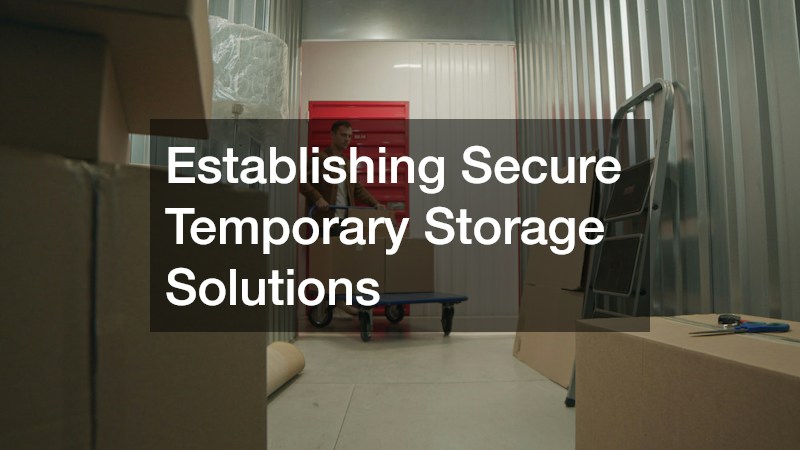
Many self storage facilities offer units in different sizes, allowing households to choose space based on the quantity and dimensions of their belongings. Smaller units may accommodate boxes and seasonal decorations, while larger spaces may be necessary for furniture or household equipment. Comparing access hours, security features, rental terms, and environmental conditions can help homeowners select an appropriate facility.
Certain possessions require particular storage considerations. Wooden furniture, photographs, musical instruments, and sensitive electronics may be affected by prolonged exposure to moisture or extreme temperatures. Homeowners should review storage recommendations for valuable items and determine whether climate-controlled accommodations are appropriate.
For households with extensive storage needs and suitable property space, exploring shipping containers for sale may provide an alternative to recurring off-site rental arrangements. A container could accommodate tools, equipment, or other appropriate belongings during extended projects. However, purchasing one involves evaluating delivery access, ground preparation, ventilation, moisture management, and applicable local property regulations.
Regardless of the storage method selected, maintaining an inventory helps prevent temporary arrangements from becoming permanent clutter. Boxes should be labeled by contents and intended destination, with frequently needed possessions positioned near accessible entry points. Homeowners should also establish a timeline for reviewing stored materials. Regular assessments can reveal whether certain belongings still serve a purpose or whether additional donations and disposal would be beneficial.
Preparing Belongings for Safe Transportation
Packing is an important part of organizing a household, even when the project does not involve a permanent relocation. Moving possessions into temporary storage, transferring furniture between properties, or distributing belongings among family members requires careful preparation to prevent damage and confusion.
Using a professional packing service can help households manage fragile items, awkwardly shaped possessions, and large quantities of belongings. Experienced packers can select suitable materials and protective techniques for different objects. This assistance may be particularly useful when homeowners have limited time, physical restrictions, or concerns about handling delicate possessions.
Before packing begins, households should complete as much sorting as possible. Paying to pack and transport unwanted items adds unnecessary expense and creates additional work when those belongings eventually need to be unpacked. Establishing clear categories for items being retained, donated, sold, or placed in storage can streamline packing appointments.
Labels should provide more information than simply identifying the room where an item originated. Including specific contents, handling instructions, and intended destinations can make unpacking substantially easier. A numbering system connected to a household inventory may be helpful for projects involving numerous boxes or multiple storage locations.
Homeowners should keep essential items separate from general packed belongings. Medication, identification, chargers, frequently used kitchen supplies, and necessary clothing should remain accessible throughout the project. Setting aside these necessities helps households avoid searching through sealed boxes during normal daily activities.

Coordinating Transportation for Local Projects
Working with local movers can help households manage transportation without relying on personal vehicles or repeatedly requesting assistance from friends. Moving professionals may also provide equipment designed to handle heavy furniture and protect belongings during loading and unloading. Homeowners should explain the project’s scope when requesting estimates, including whether multiple stops or furniture disassembly will be necessary.
Some households may benefit from hiring full service movers when organizational responsibilities overlap with an upcoming relocation. Depending on the provider and selected package, services may include packing, loading, transportation, unloading, and unpacking. Combining related responsibilities under one arrangement can simplify scheduling and reduce the number of separate appointments homeowners must coordinate.
Before transportation occurs, pathways should be cleared and access requirements reviewed. Staircases, narrow doorways, elevators, parking limitations, and building policies can influence how belongings are removed and delivered. Communicating these details in advance helps professionals prepare appropriately.
Destination planning is equally important. Furniture and boxes should have clearly identified placement areas before arrival. Providing room assignments can prevent possessions from being deposited wherever space happens to be available. This approach reduces unnecessary handling and supports a more orderly transition, especially when several household members are participating in the project.
Managing Organization Across Multiple Locations
Home organization projects become more complex when belongings must travel substantial distances. A family relocating to another state, consolidating inherited possessions, or preparing a second residence may need to coordinate sorting, packing, storage, and transportation across geographically separated locations.
Selecting a long distance mover can help households address transportation needs that extend beyond their immediate community. When comparing providers, homeowners should review written estimates, anticipated delivery arrangements, available coverage options, and procedures for handling delays. For interstate moves, checking applicable registration requirements can also help households make informed decisions.
Organizational decisions should reflect the characteristics of the destination property. Furniture that fits comfortably in an existing home may overwhelm a smaller residence. Measuring rooms, doorways, closets, and storage areas before finalizing packing decisions can prevent costly transportation of possessions that will not serve a practical purpose.
Keeping communication consistent among family members and service providers is especially valuable when individuals are working from different locations. A shared inventory, project calendar, and list of delivery instructions can reduce misunderstandings. Updating these records whenever possessions are donated, packed, transported, or placed in storage helps everyone maintain an accurate understanding of the project’s progress.

Maintaining Organization After the Project
Completing a major organizational project creates an opportunity to establish habits that support long-term household functionality. Without consistent maintenance, newly cleared spaces can gradually return to their previous condition. Developing straightforward routines helps protect the time, money, and effort invested in the project.
Each category of belongings should have a designated location based on how frequently the items are used. Everyday necessities belong in convenient areas, while seasonal decorations and occasionally used equipment can occupy less accessible spaces. Clear containers, descriptive labels, and adjustable shelving can help household members maintain these arrangements without complicated instructions.
Regular reviews can also prevent unnecessary accumulation. Setting aside time each month to examine closets, drawers, and other common clutter zones encourages households to address small problems before they require extensive intervention. When purchasing new belongings, considering available storage and whether similar items are already owned can support more intentional decisions.
Ultimately, successful home organization depends on creating environments that accommodate the people who use them. Coordinating specialized services throughout a large-scale project can reduce physical demands, improve efficiency, and make challenging decisions easier to manage. With thoughtful planning and sustainable maintenance habits, households can enjoy living spaces that remain functional, comfortable, and organized long after the initial work is complete.